
Today, you no longer need a major film studio to destroy fantastical cities, create artificial memories, or build a complete science-fiction universe. A laptop, a handful of AI models, and a strong artistic signature can now be enough to reach millions of people.
European platforms like LetzAI and Magnific supply the necessary AI models. But what matters most are the bold artists, directors, and many new small studios building their own worlds with them. Gossip Goblin, Karim Youssef, Julie Wieland, and the Dor Brothers represent different directions within a movement that is still writing its own rules.
Karim Youssef: Filmmaker, Animator, and Platform Founder
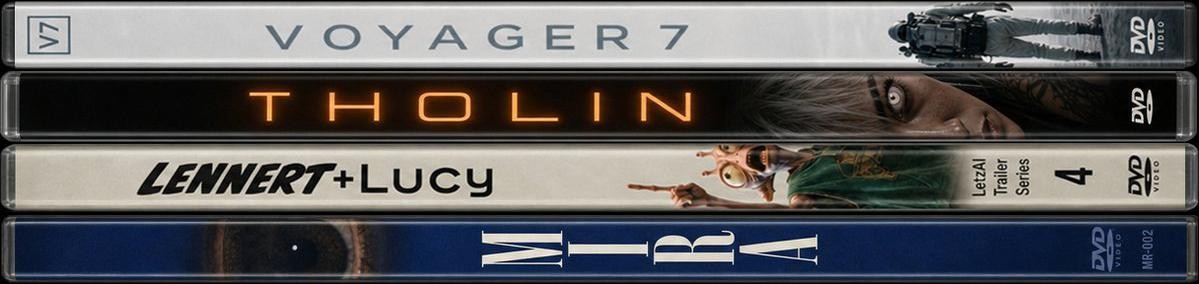
Karim Youssef moves through several roles at once: he is a filmmaker, animator, worldbuilder, entrepreneur, and Co-Founder & Creative Director of the Luxembourg-based creative platform LetzAI. He publishes his film work under the name Karim Yourself.
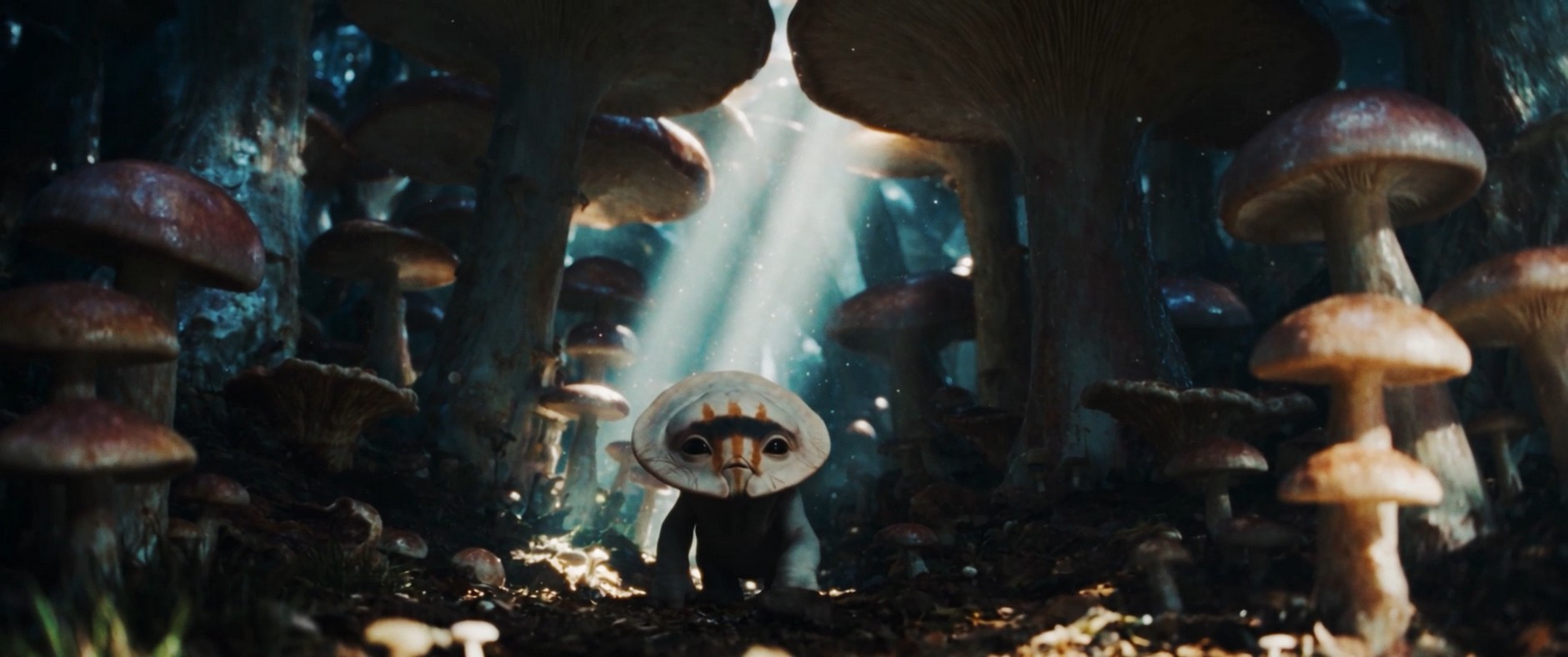
Among his most important flagship projects are the film trailer VOYAGER 7 and the cyberpunk series THOLIN. Together with American Steven Quach, he developed VOYAGER 7 for the XPRIZE Competition: a speculative science-fiction world featuring alien life forms, unfamiliar landscapes, and consistent character design. The trailer, which has already made it into the competition’s Top 50 finalists, shows how AI can be used to develop not just individual spectacular images, but coherent characters and believable cinematic worlds.
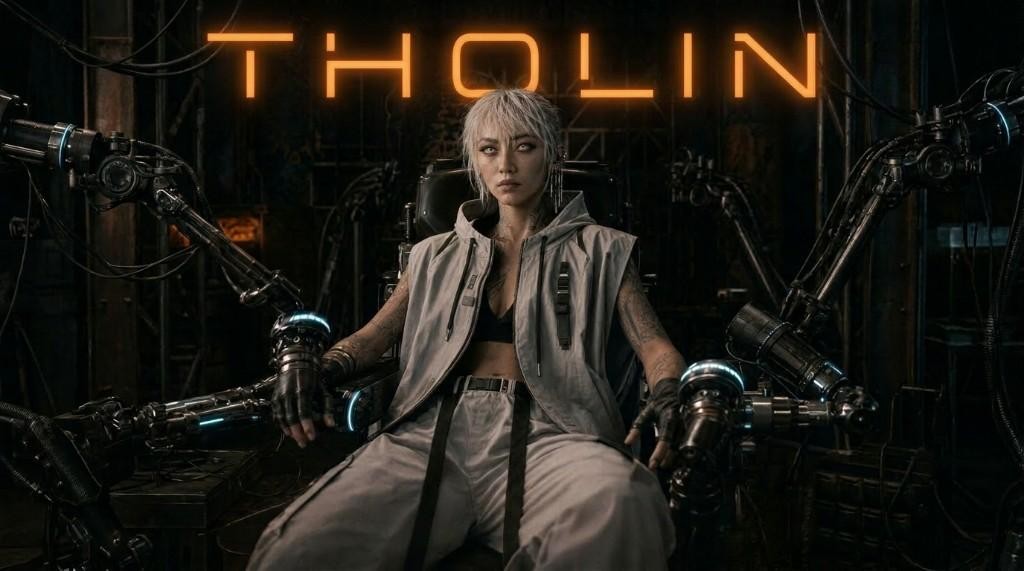
THOLIN, by contrast, leads into a futuristic Hanoi. Beneath a tattoo studio lies a hidden room where the bodies of the dead are taken apart. The first episode was also developed together with Steven Quach and became the first series on LetzAI Originals, LetzAI’s AI film streaming platform. It combines an Asian metropolis, body horror, and science fiction into a distinctive cinematic world.
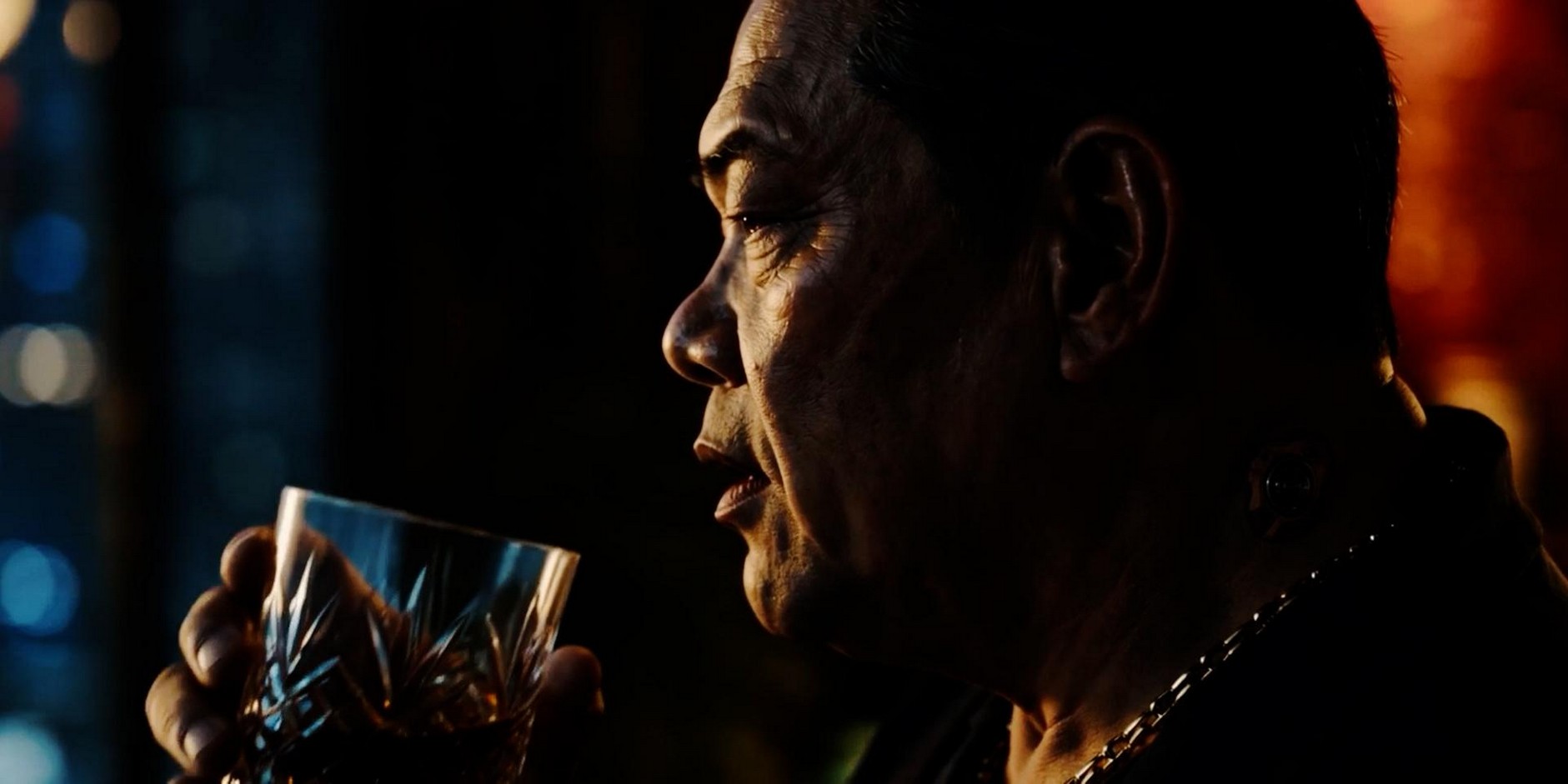
Also particularly relevant is Karim’s involvement in NEXUS, the upcoming hybrid feature film project by American PJ Ace. He was responsible for the animation of the five-minute teaser, which was produced by a team of just three people in two weeks. The clip reached more than 20 million views on Instagram, making it one of the most visible examples of how AI film production is moving from niche to global audience.
Karim’s films are more than product demonstrations. He uses the technology as a creative laboratory: new models and workflows aren’t tested in the abstract, but are translated directly into characters, movement, landscapes, and cinematic sequences.
“We built LetzAI so that creatives from anywhere in the world can create AI content about their own local culture.”
Karim Youssef, Co-Founder & Creative Director, LetzAI
The ambition therefore goes beyond technical image quality. Smaller cultures, personal stories, and local identities are meant to become visible within generative systems too.
At the same time, Karim is working on an infrastructure meant to bring the entire production process together.
“For the first time, I can finish an idea in exactly the place where it was born.”
Karim Youssef on LetzAI Canvas
Generation, animation, storyboarding, editing, and presentation are meant to no longer be separate steps.
Karim thus stands as an example of a new type of filmmaker. Together with LetzAI Co-Founder & CEO Misch Strotz, and with the help of their shared studio, he produces films, animates major international projects, and at the same time supports the development of the platform on which such work can be created and distributed.
→ Discover LetzAI Originals & Canvas
Julie Wieland: Intimacy Instead of Spectacle
Julie Wieland is an art director, visual artist, and filmmaker. While many AI videos rely on speed, explosions, and visual overload, she focuses on memory, transience, and human closeness.
Her images feel like fragments of lost films: familiar, melancholic, and yet strangely unreal. For her, AI isn’t just a way to produce unusual surfaces. It becomes an instrument for staging emotions, moods of light, and imagined memories.
“I found a camera for my ideas.”
Julie Wieland, art director and filmmaker
An idea no longer has to first be materialized through a big photo production or a traditional shoot. It can be made visible, discarded, and developed further immediately.
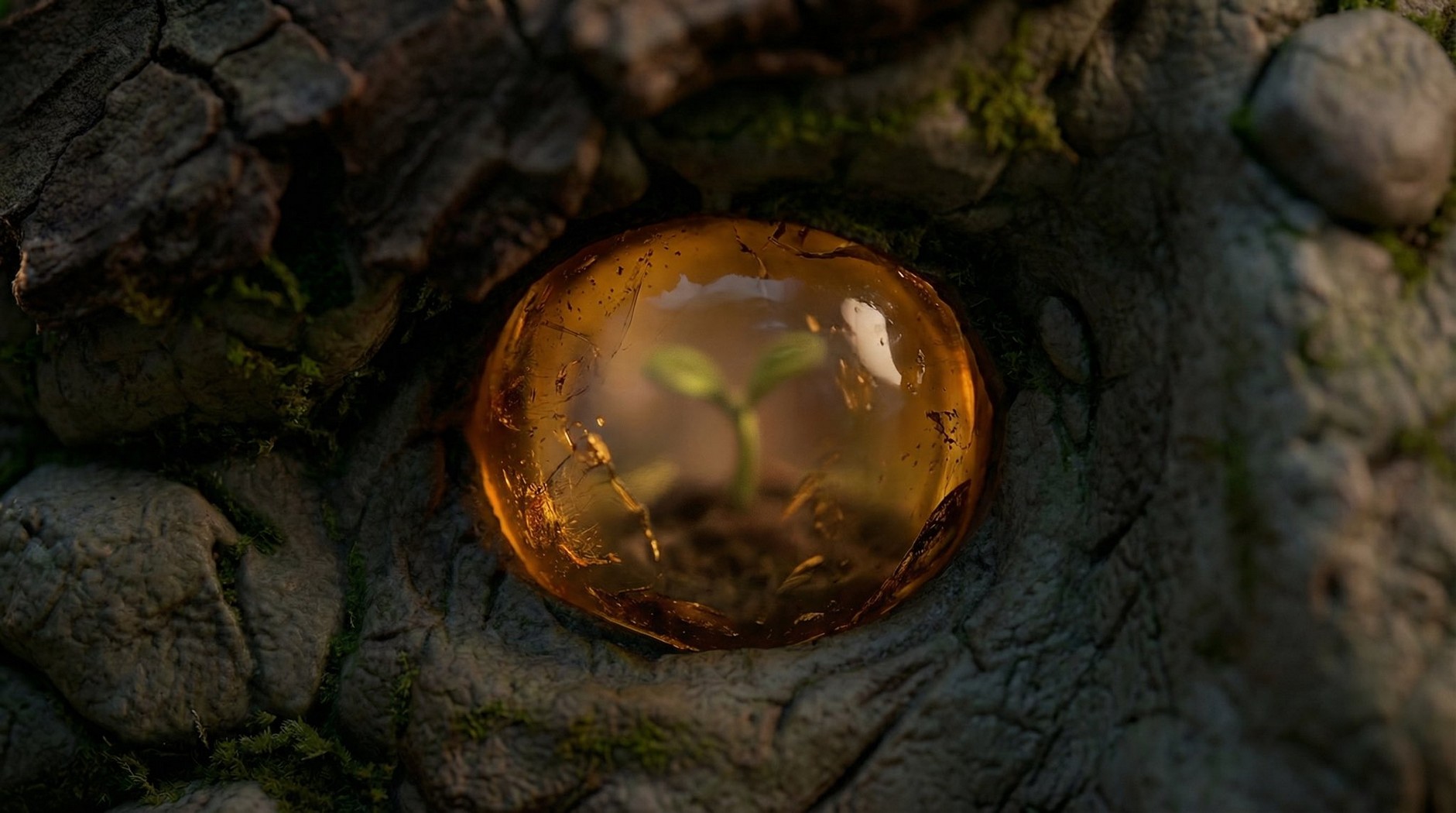
As early as 2023, her fictional film stills from imagined parallel worlds attracted international attention. The series La Dolce Vita combined the visual language of postwar European cinema with generative techniques. Rather than looking like the future, the images looked like a past that had never existed.
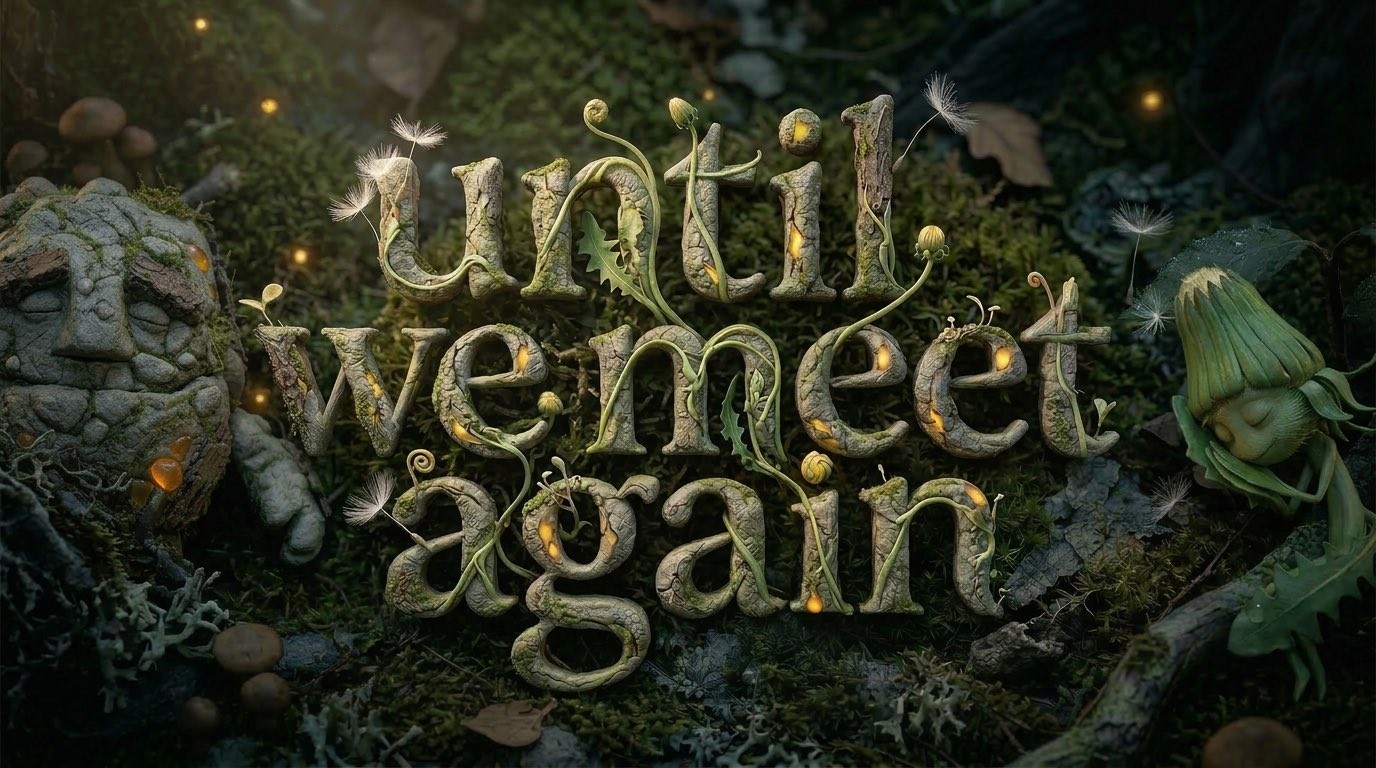
Her short film Until We Meet Again, developed as part of the Google Flow Sessions and presented at the Tribeca Festival in 2026, tells the story of the friendship between a stone golem and a dandelion that returns every spring. The technology stays in the background. Time, loss, and affection take center stage.
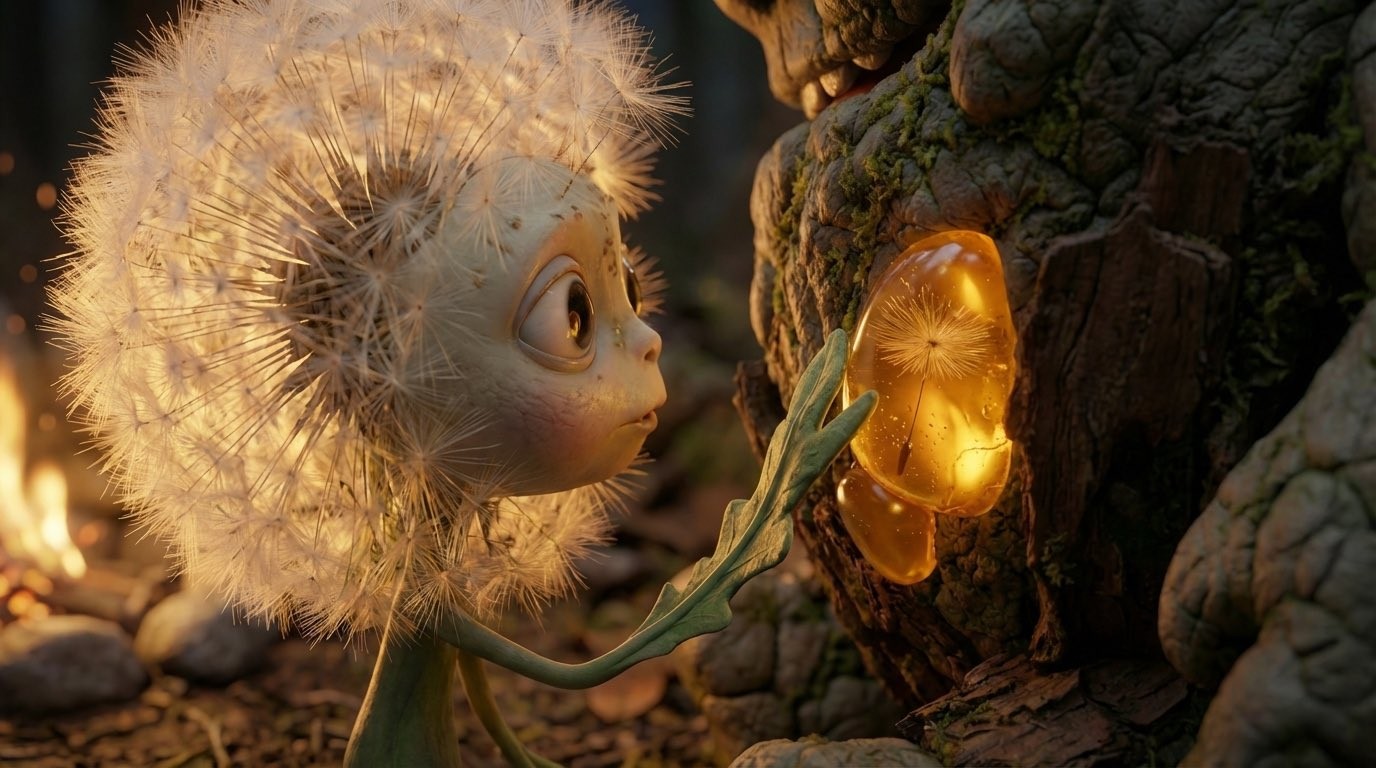
The fact that almost anyone can now generate images doesn’t make artistic experience redundant for Wieland. Quite the opposite. “It’s expertise that counts”, she emphasizes. Selection, taste, art direction, and emotional precision become all the more important the easier pure image generation becomes.
The Dor Brothers: Virality as a Production Model
The Dor Brothers are an internationally operating AI video studio founded by Yonatan Dor. Exactly who belongs to the “Brothers” remains part of the act. Behind the brand, a network of full-time creatives and international freelancers works on commercials, music videos, and viral short films.
According to the studio, it has completed more than 300 video projects and reached over 500 million views across platforms. Clients and partners include Microsoft, Google, Meta, BOSS, Yamaha, and Ideogram.

APEX drew particular attention: a futuristic trailer released with the provocative claim that visuals on the scale of a $200-million production had been created within a single day. A short AI trailer is, of course, not yet a Hollywood film. Still, the project showed just how radically the relationship between budget, production time, and visual scale is shifting.
The process is by no means a single prompt. A concept is broken down into shots, developed using different models, and run through hundreds of variations. Only through selection, revision, editing, music, and sound does a controlled film emerge.
“What matters is a creative or unique idea and an independent creator.”
Yonatan Dor, founder, The Dor Brothers
Technical execution, he says, can increasingly be automated. The ability to recognize an idea and pursue it consistently remains human. The studio’s viral in-house productions function simultaneously as research, showreel, marketing, and client acquisition. Even so, not every idea is meant to serve immediate profit. “We want to create things with spirit and personality again. Not constantly chase after money”, Dor explains.
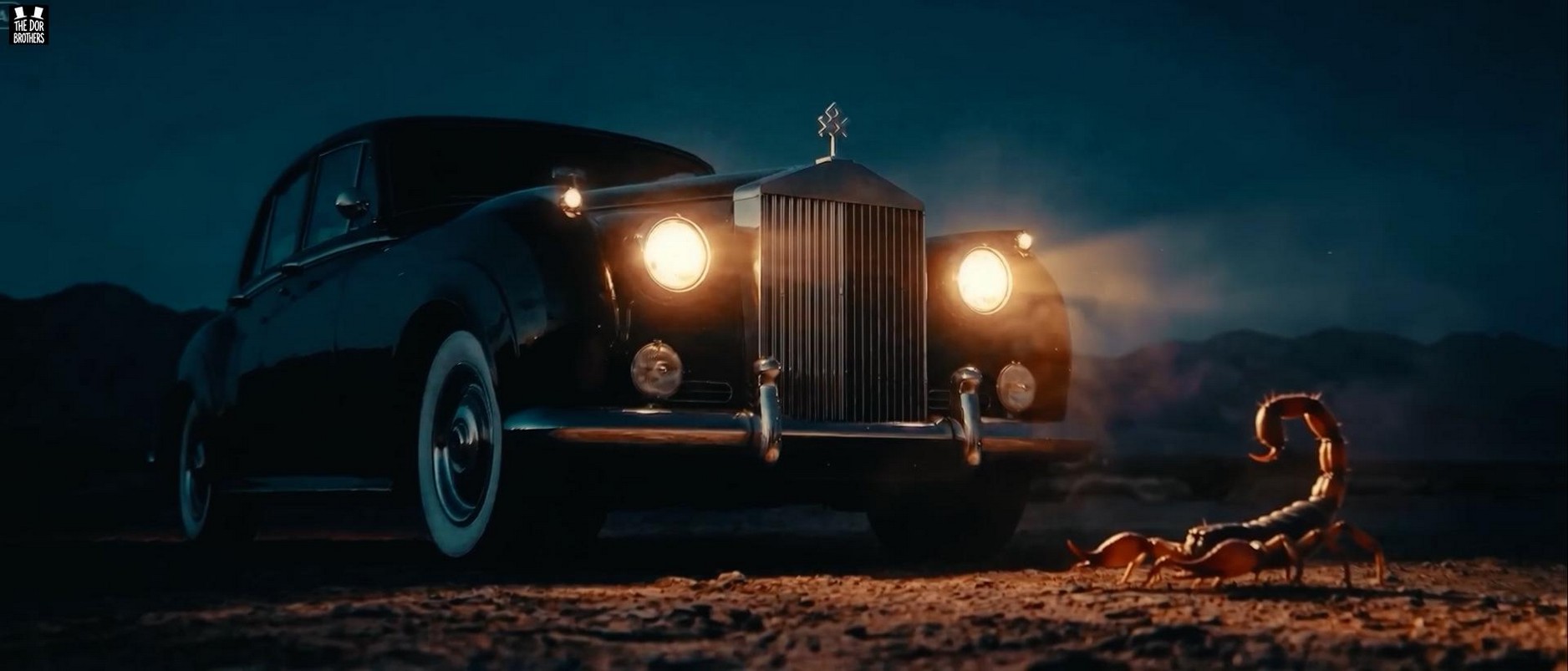
In this way, the Dor Brothers turn the logic of social platforms into a global studio model: fast, visually immediate, and independent of the film industry’s traditional production pathways.
Gossip Goblin: From the Feed to the Cinema Screen
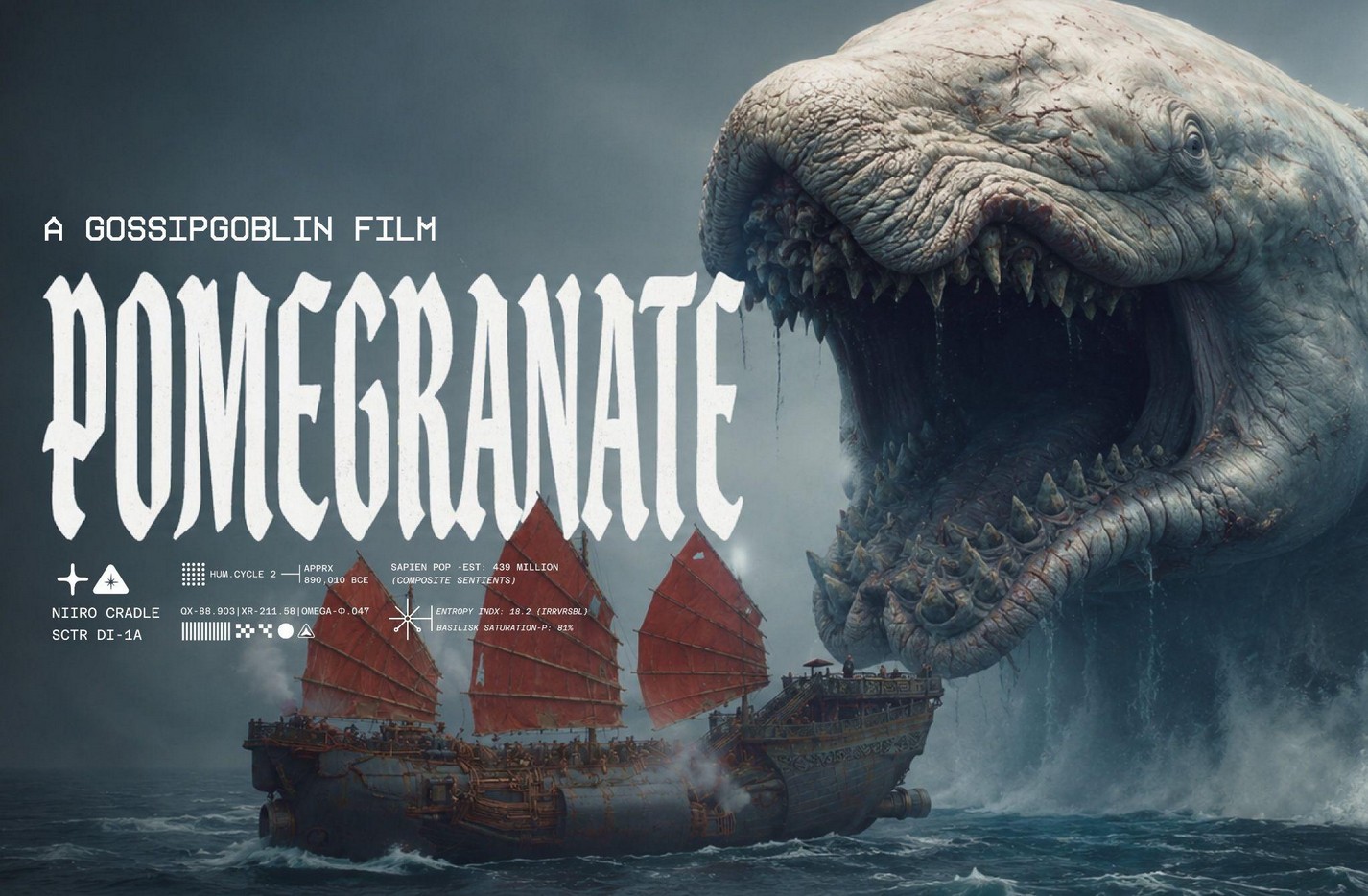
Behind Gossip Goblin is Stockholm-based filmmaker Zack London. Together with a small team spread across Europe, he creates grotesque science-fiction worlds about artificial bodies, memories for sale, and people caught between biological existence and virtual reality.
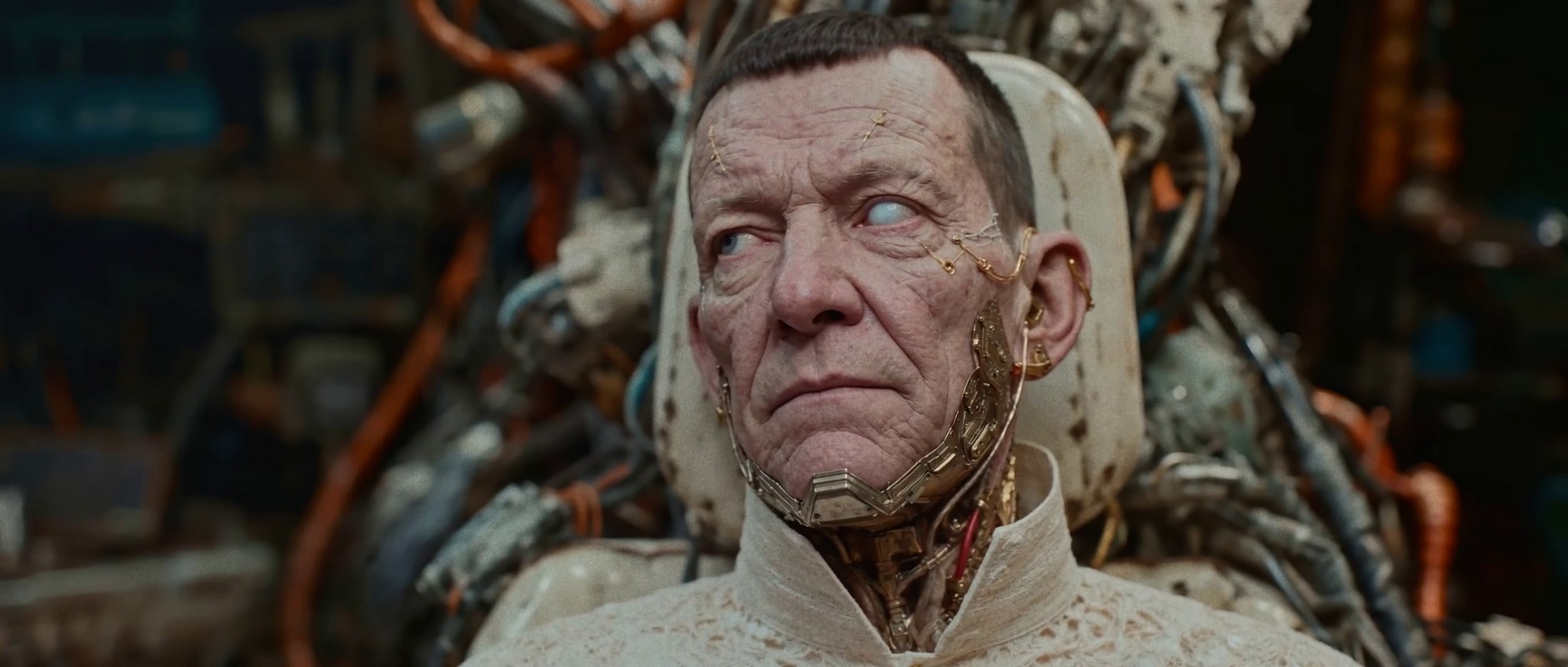
The images are generated with AI. What holds them together are classic screenplays, original music, sound design, and intensive post-production. The treatment of voices is particularly interesting: London produces the voices himself in his small studio, working with real voice actors. Every intelligible line of dialogue in The Patchwright was recorded by a human, not a synthetic voice.
“I found myself at the beginning of something new, something that doesn’t have rules yet.”
Zack London, Gossip Goblin
That is exactly where the energy of his work comes from: he doesn’t wait for permission from traditional studios, but releases new characters and storylines directly to his audience.
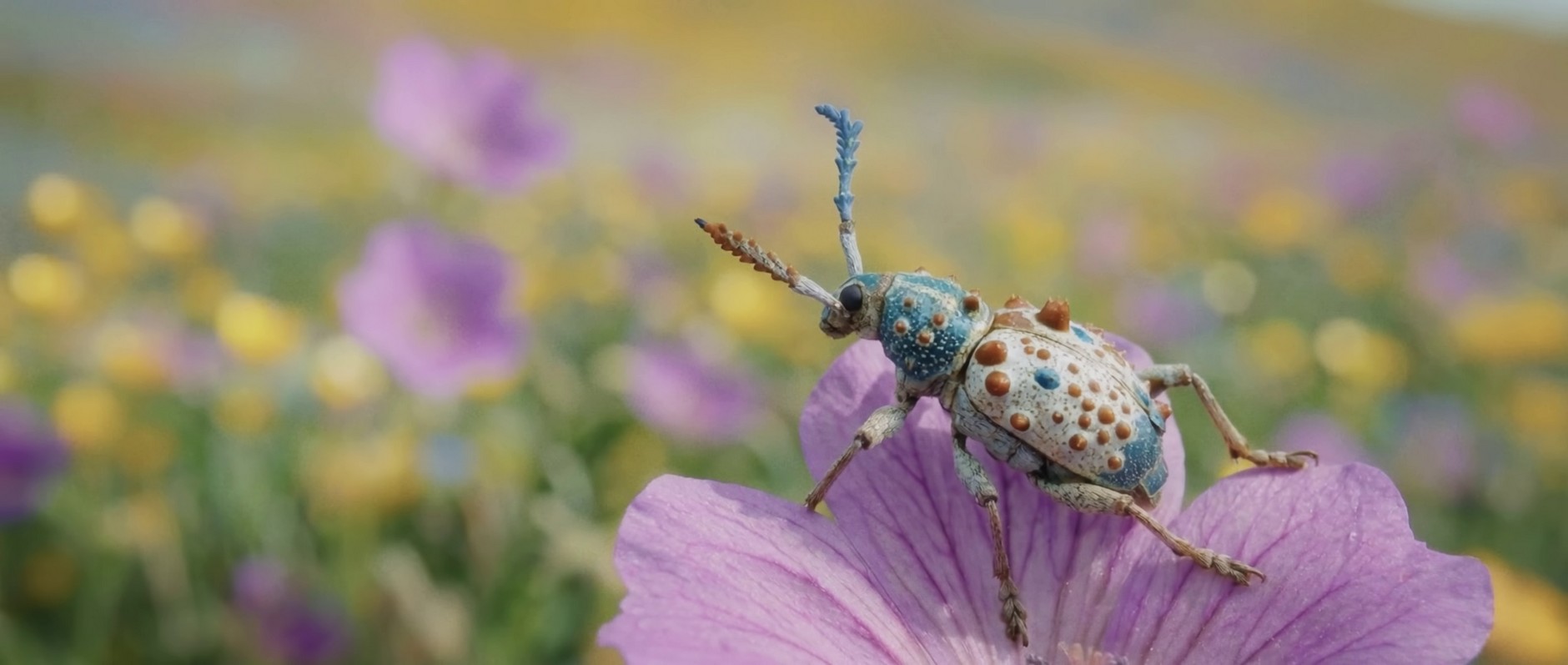
Unlike the other artists featured here, Gossip Goblin has focused less on individual viral breakouts and more on the long-term construction of a world: recurring characters, a growing mythology, and a story bible that audiences keep coming back to. That consistency has earned him a following of over one million people across his platforms.
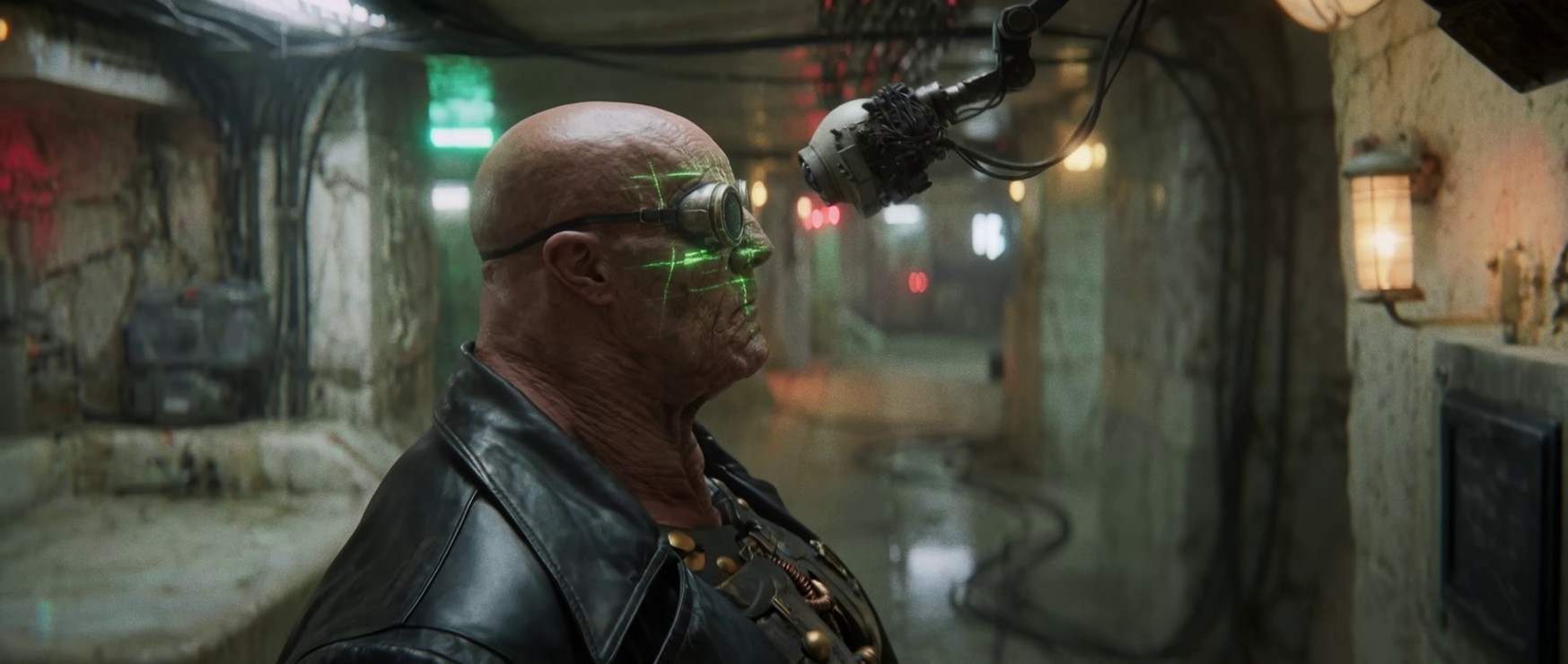
Even the limits of the technology deliberately become part of the style. “We adapt to the limits of AI acting”, says London. Rather than trying to simulate perfect human performances, he designs exaggerated, cybernetic characters whose strangeness fits perfectly with the artificial visual world.
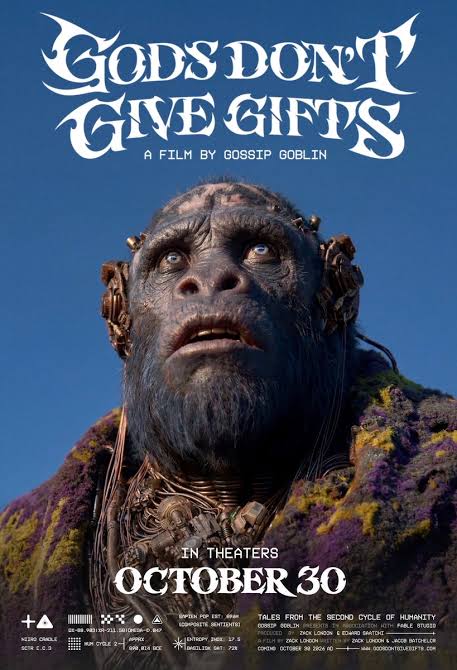
The next step leads from smartphone to cinema: the Fable-produced anthology film Gods Don’t Give Gifts is set to open in American theaters in October 2026. This will test whether a community built online can also be carried over to a longer AI film on the big screen.
A Worldwide Movement
Gossip Goblin builds a cinematic universe out of viral short films, using entirely human voices. Karim Youssef combines filmmaking, animation, and the building of a European creative platform. Julie Wieland turns AI into an intimate camera for memory and emotion. The Dor Brothers translate generative imagery into a global studio model.
Together, they show that AI filmmaking is leaving behind the phase of pure technical demonstration. Recognizable artistic signatures are emerging, along with recurring characters, dedicated production companies, communities, and new forms of intellectual property.
The millions of online views are therefore more than a social media metric. Figures from China in particular show that a real audience for this new form of film already exists. Keyword: “micro drama”. These artists aren’t waiting to be discovered by Hollywood. They are building their own studios, platforms, and distribution channels right in front of their audience’s eyes.